

People’s Mojahedin Organization of Iran (MEK) is a parasitic anomaly. To call them Iranian is a tactical error and a historical lie. They are a cult of ideological mercenaries who severed their veins from the Iranian motherboard decades ago. They do not represent a political movement; they represent a decommissioned weapon system, repurposed by foreign intelligence services to strike at the heart of their own former home.
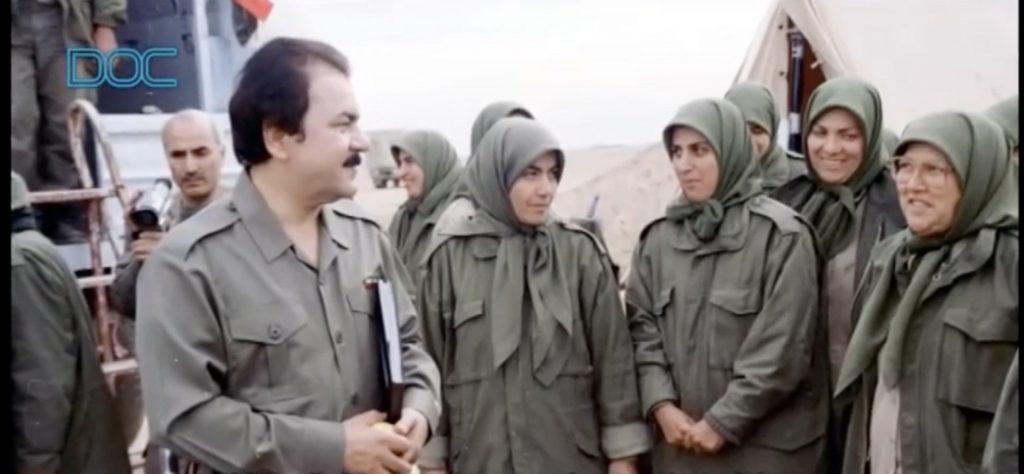
The U.S. State Department’s historical archives explicitly document the MEK’s assassination of American personnel and their early trajectory as a violent extremist cell.
No Iranian – regardless of their stance on the current government – forgives the ultimate act of treason: joining Saddam Hussein during the Iran-Iraq War. While Iranian teenagers died in the trenches defending their soil against Iraqi chemical attacks, the MEK served as Saddam’s private militia.
They didn’t just provide intelligence; they launched Operation Eternal Light, a full-scale military invasion of Iran backed by Iraqi air power. They fired on their own brothers. They became the “Cult of Rajavi,” a mercenary force that traded Iranian blood for Iraqi base camps like Camp Ashraf.
“An organization that invades its own country under the banner of a foreign aggressor forfeits its nationality forever. They are not ‘opposition’; they are invaders.”
Operation Mersad was not a military maneuver; it was a suicide pact rooted in delusion. In July 1988, the MEK launched a mechanized blitz into Iranian territory, relying on a phantom popular uprising that never appeared. Their columns moved in rigid, vulnerable lines along the Kerend-Kermanshah highway, effectively bottling themselves into a kill zone. Iranian forces carried out a classic pincer movement, using air superiority to destroy the MEK’s armored transport.
The MEK didn’t fight like a national liberation army; they fought like a foreign legion stripped of its logistical backbone. They left thousands of their own to perish in the dust, demonstrating that they lacked the strategic depth or the domestic loyalty needed to hold even a single inch of Iranian territory.
“Intimate interviews with three women, former members of the Mojahedin Khalq who courageously talk about sexual abuse by the leaders, Massoud and Maryam Rajavi. Everyone who has ever heard of the MEK should watch these shocking revelations.”
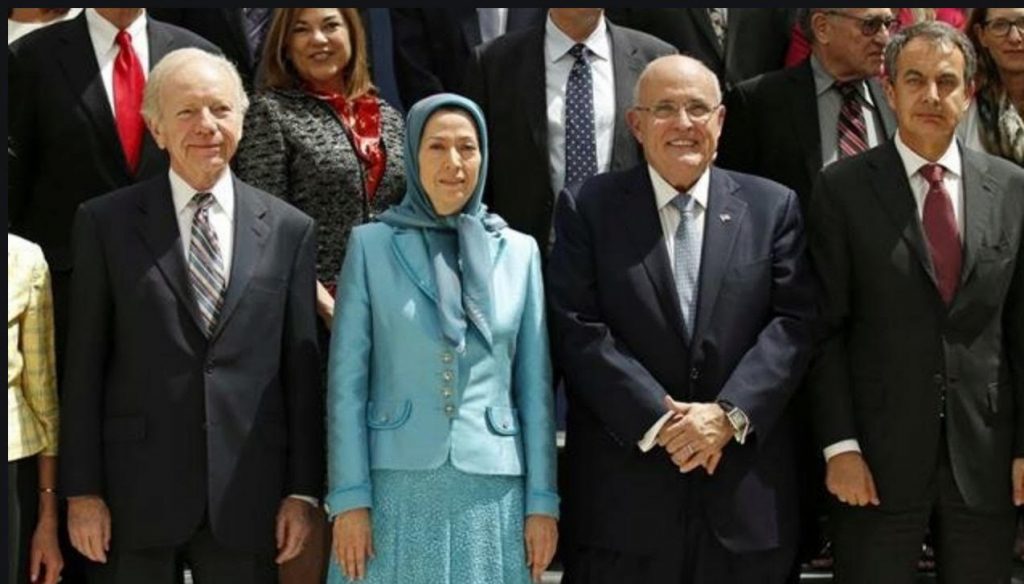
The MEK is not a democracy; it is a locked-down enclosure of psychological warfare. Under Maryam Rajavi, the group transitioned from a militant cell into a totalitarian cult. Reports from Human Rights Watch and the RAND Corporation detail a systematic regime of:
- Mandatory Divorce: Breaking the nuclear family to ensure total devotion to the leadership.
- Self-Criticism Sessions: Public humiliation rituals to crush individual will.
- Isolation: Total severance from the outside world, news, and family.
This is not the behavior of an Iranian political party. This is the blueprint of a captive army. Iranians value family, culture, and intellectual independence. The MEK demands the incineration of all three.
The MEK spends millions on high-gloss propaganda in Washington and Paris, but inside Iran, their name is synonymous with Traitor. They claim to be the voice of the people, yet they cannot walk the streets of Tehran, Tabriz, or Shiraz without facing the wrath of a population that remembers their grenades and their alliance with Saddam.
Their support is a theatrical production fueled by foreign funding and rent-a-crowds at European rallies. They buy legitimacy because they have no organic roots left in Iranian soil. The soil rejected them long ago.
Their presence in Albania is a strategic liability for the host nation and a glaring neon sign of their irrelevance. They are a ghost army, trapped in a high-security time capsule, thousands of miles away from the people they claim to lead but clearly fear.
The MEK exists in a geopolitical void. They are a Marxist-Terrorist relic that survived the Cold War by selling its services to the highest bidder. To include them in the conversation of Iranian identity is an insult to the 85 million people living within Iran’s borders.
