
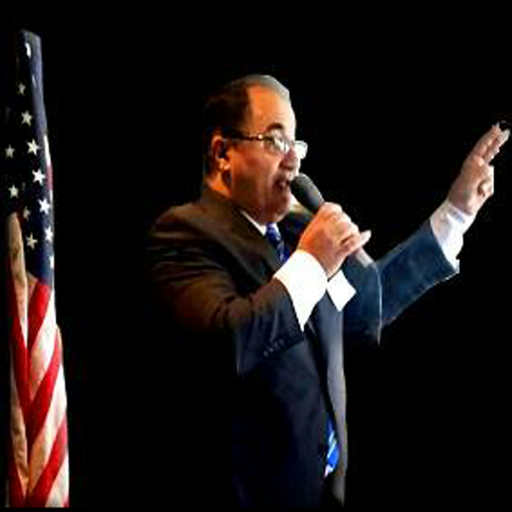
For decades, a specific brand of political theater has played out in Washington ballrooms: high-ranking American officials standing before rows of cheering, flag-waving supporters to declare that the Mojahedin-e-Khalq (MEK) is the "democratic alternative" to the Islamic Republic. Figures like Mike Pompeo, John Bolton, and Rudy Giuliani have spent years cashing massive speaking fees to shill for a group that nearly every credible analyst - and 80 million Iranians - recognize as a treasonous, totalitarian cult.
The push to install the MEK as a puppet government isn’t just bad diplomacy; it is a direct assault on the aspirations of the Iranian people. If history repeats itself, the U.S. risks making a blunder even more catastrophic than the perceived "installation" of Khomeini in 1979 - this time by forcing a group upon Iran that the population views with visceral, historical hatred.
The primary reason the MEK is despised across the Iranian political spectrum is not their ideology, but their record during the Iran-Iraq War. While Iranian soldiers and civilians were dying by the hundreds of thousands to defend their soil against Saddam Hussein’s invasion, the MEK relocated to Iraq and fought alongside Saddam.
In the eyes of Iranians - whether they support the current regime, loathe it, or fall somewhere in between - the MEK are not "freedom fighters." They are "Monafeqin" (Hypocrites) who committed the ultimate sin: siding with the enemy during a war for national survival. Their participation in Operation Mersad, a failed 1988 invasion of Iran backed by Iraqi air power, cemented their status as traitors in the national consciousness.
Behind the slick PR and the "National Council of Resistance of Iran" (NCRI) branding lies a structure that human rights organizations and former members describe as a personality cult. Led by Maryam Rajavi (and and early on by her late husband Masoud), the group enforces:
- Mandatory "ideological divorces" for its members.
- Isolation from family and the outside world.
- Public self-criticism sessions are designed to break an individual's will.
The MEK and the Rajavis: Controversies and Allegations Surrounding the Iranian Opposition Group
In the realm of Iranian politics, few groups have sparked as much controversy and generated as much animosity as the Mujahedin-e Khalq (MEK) and its leaders, Masoud and Maryam Rajavi. With claims of terrorism, human rights abuses, and allegations of collaboration with foreign powers, the MEK and the Rajavis have become a subject of intense scrutiny and contention both within Iran and on the international stage.
The MEK: An Overview of Controversial Figures:
The MEK, founded in the 1960s as a militant leftist organization, played a significant role in the Iranian Revolution. However, its ideology and tactics evolved, leading to its designation as a terrorist group by several countries, including the United States, until 2012. The MEK’s association with violence and its history of attacking both Iranian and Western targets have contributed to widespread condemnation.
The Rajavi Couple: Leaders and Controversial Figures:
The deceased Masoud Rajavi, the founder of the MEK, and his wife, Maryam Rajavi, have assumed leadership positions within the organization. Their hold over the MEK and its political arm, the National Council of Resistance of Iran (NCRI), has been a subject of criticism and controversy. Critics argue that the Rajavis maintain tight control over the group, stifling dissent and suppressing internal power struggles.
Allegations of Human Rights Abuses and Terrorist Activities:
One of the most contentious aspects of the MEK and the Rajavis’ legacy is the alleged involvement in human rights abuses and acts of terrorism. Former members and critics have accused the MEK of employing cult-like tactics, including forced marriages, isolation, and even torture. Additionally, claims of the group’s involvement in assassinations and bombings have persisted over the years, further tarnishing its reputation.
Controversial International Connections and Collaborations:
The MEK has garnered attention for its alleged collaborations with foreign entities, particularly the United States. While the U.S. officially removed the MEK from its list of designated terrorist organizations, critics argue that America’s association with the MEK raises concerns about double standards in counterterrorism efforts. Claims of U.S. support for the MEK as a potential replacement for the Iranian government after Khamenei’s tenure add fuel to the fire, heightening tensions within Iran.
Public Perception in Iran:
It is important to note that the perception of the MEK and the Rajavis within Iran is highly polarized. While some Iranians view them as heroes and an alternative to the current regime, many others hold deep animosity towards the group. Historical events and the MEK’s violent tactics have led to widespread resentment and suspicion among Iranians, who perceive the group as betraying the ideals of the revolution and colluding with foreign powers.
The MEK and the Rajavis’ controversial legacy continues to divide opinions and generate intense debate. Accusations of terrorism, human rights abuses, and collaboration with foreign powers have contributed to their negative image, particularly within Iran. The alleged aspirations of installing the MEK after Khamenei’s departure add further complexity to an already contentious situation. As the MEK’s influence and international connections persist, the controversy surrounding the group is likely to endure, shaping Iran’s domestic politics and its relations with the international community.
Comments
No comments yet.
Leave a comment